
What Businesses Should Know About Commercial Gas Piping Systems
Businesses seeking commercial gas piping installation can rely on local contractors to ensure safe, code-compliant systems that meet their operational needs effectively.
Businesses that rely on commercial gas for cooking, heating, or manufacturing need to understand the essentials of commercial gas piping systems. Properly designed and installed systems are vital for safety, efficiency, and compliance with local regulations. Property owners in the area may find it beneficial to explore this topic to ensure their facilities operate smoothly and meet all necessary standards. Whether upgrading existing infrastructure or planning a new installation, knowing what to look for can help prevent costly issues and ensure reliable service.
Connecting with experienced service providers can make a significant difference when it comes to commercial gas piping installation and maintenance. Local contractors who specialize in this work are equipped to handle the complexities of commercial-grade systems, offering practical solutions tailored to specific business needs. Keeping informed about the fundamentals of commercial gas piping systems can empower property owners to make better decisions and work confidently with trusted professionals for their installation or upgrade projects.
- Commercial Gas Piping Installation - businesses needing new gas lines for equipment or expansion can rely on local contractors to handle the complex installation process safely and efficiently.
- Gas Line Replacement - when existing piping shows signs of wear or code upgrades are required, local service providers can expertly replace or upgrade gas piping systems.
- System Modifications - companies looking to modify or extend their gas piping to accommodate new appliances or layout changes can benefit from experienced local pros.
- Leak Detection and Repair - if a business suspects a gas leak or detects unusual odors, local contractors can perform thorough inspections and necessary repairs.
- Code Compliance and Inspection - businesses must ensure their gas piping systems meet local regulations; service providers can assist with inspections and compliance requirements.
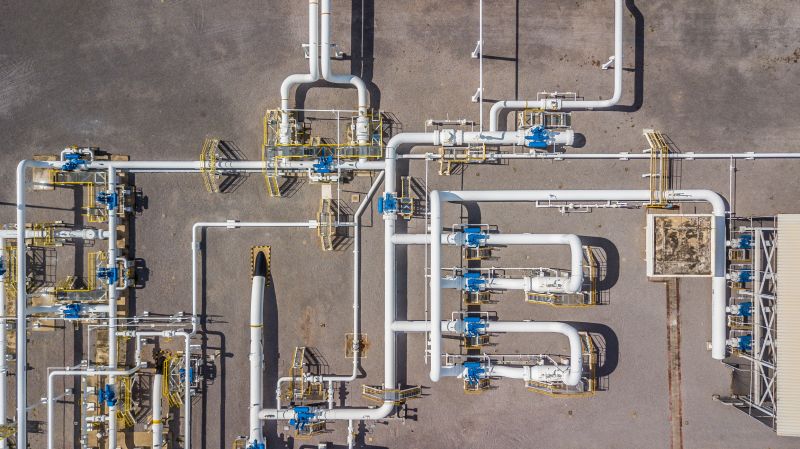
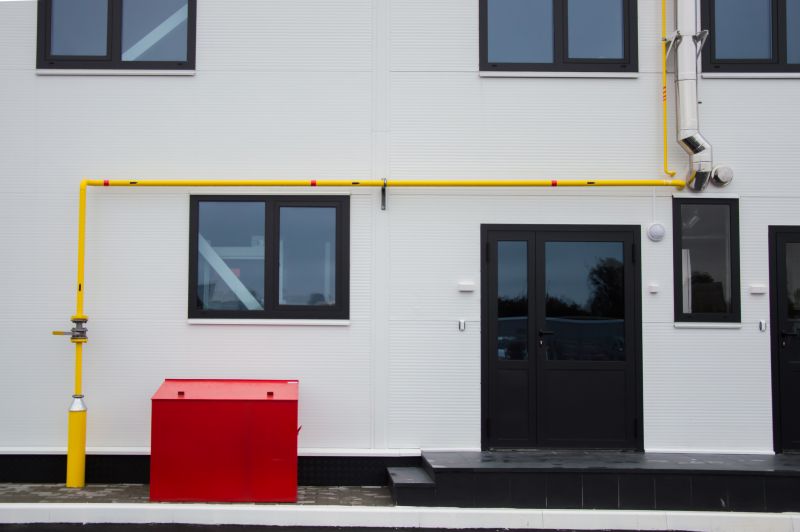
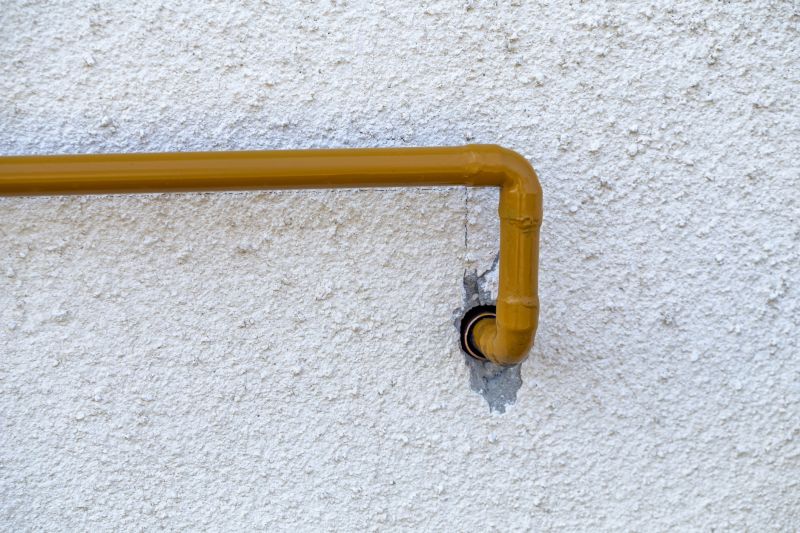
Understanding what businesses should know about commercial gas piping systems is essential for any property owner considering or managing facilities that rely on natural gas or propane. When searching for information on this topic, most people are looking for an overview of how these systems work, their importance in commercial operations, and the key factors involved in their installation and maintenance. Commercial gas piping systems are integral to many types of businesses, providing fuel for heating, cooking, manufacturing, or other industrial processes. Knowing the basics helps business owners recognize the significance of proper planning, installation, and ongoing care to ensure safety and efficiency in their operations.
The scope of commercial gas piping systems relates closely to various operational needs and potential challenges faced by businesses. Problems may include leaks, corrosion, or outdated infrastructure that could compromise safety or disrupt service. On the other hand, many property owners plan upgrades or expansions to accommodate new equipment or increased capacity. These projects often require careful assessment of existing piping, adherence to local codes, and the expertise of experienced contractors. Whether a business is installing a new system, modifying an existing one, or troubleshooting issues, understanding the fundamentals of commercial gas piping helps ensure the work aligns with safety standards and operational goals.
Typically, properties that come up in discussions about commercial gas piping include restaurants, hotels, manufacturing plants, warehouses, and large retail spaces. These properties often have complex piping networks that supply gas to multiple appliances or industrial equipment. Commercial kitchens, for example, depend heavily on reliable gas lines for cooking equipment, while manufacturing facilities may use gas for process heating or machinery operation. Each property type presents unique considerations in terms of piping layout, capacity, and safety measures. Recognizing the specific needs of these properties helps in selecting the right local contractors who specialize in commercial gas piping installation and maintenance, ensuring the systems are built and maintained to support ongoing business operations securely.
For business owners and property managers, working with experienced local service providers is a key step in managing commercial gas piping systems effectively. These professionals can evaluate existing infrastructure, recommend upgrades, or handle new installations with a focus on safety and compliance. Since commercial gas systems are a critical component of many operations, partnering with qualified local contractors ensures that the work is performed correctly and efficiently. This connection also facilitates ongoing support for maintenance or emergency repairs, helping businesses maintain continuous, safe operations. Understanding the role of local pros in commercial gas piping projects underscores the importance of choosing knowledgeable and reliable service providers for any gas-related needs.
Commercial Kitchen Plumbing Projects - Installing and maintaining gas piping systems in commercial kitchens requires precise planning and specialized tools, making it similar to commercial gas piping installation services.
Industrial Facility Piping Installations - Large-scale piping projects in industrial settings involve complex layouts and safety considerations that align with the skills used in commercial gas piping system setup.
HVAC Gas Line Installations - Setting up gas lines for heating, ventilation, and air conditioning systems involves planning and execution skills comparable to those needed for commercial gas piping systems.
Fire Suppression System Piping - Installing piping for fire suppression involves understanding piping layouts and safety standards similar to those in commercial gas piping projects.
Propane and Natural Gas Distribution - Projects involving the distribution of propane or natural gas in commercial buildings require expertise in piping design and safety, akin to commercial gas piping installation services.
Utility Infrastructure Construction - Building utility networks that include gas lines involves planning and coordination skills comparable to those used in commercial gas piping system projects.
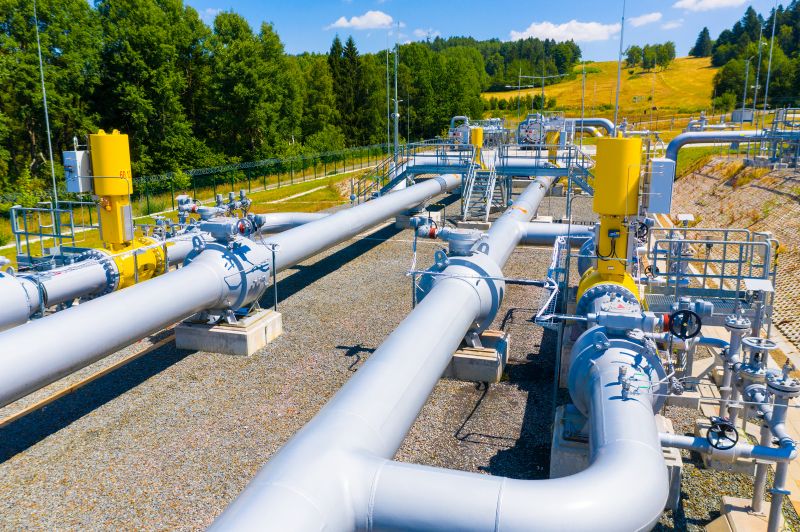
When evaluating service providers for commercial gas piping installation, it is essential to consider their experience with similar projects. Contractors who have a proven track record working on commercial systems are more likely to understand the complexities involved and adhere to safety standards specific to business environments. Asking about their past work with projects of comparable size and scope can help ensure they are familiar with the unique requirements of commercial gas piping systems, reducing the risk of issues during installation or operation.
Clear and detailed written expectations are vital when selecting a contractor for this type of work. A reputable service provider should be able to provide a comprehensive scope of work, including the materials they plan to use, the installation process, and any relevant safety considerations. Having this information in writing helps prevent misunderstandings and ensures that both parties are aligned on what the project entails. It also provides a reference point should questions or concerns arise during or after the installation process.
Good communication and reputable references are key indicators of a dependable service provider. Contractors who are transparent about their processes, responsive to inquiries, and willing to share references from previous commercial clients demonstrate professionalism and reliability. Contacting past clients can offer insights into the contractor’s ability to complete projects on time, handle unforeseen challenges, and maintain clear communication throughout the process. These factors contribute to a smoother experience and confidence that the commercial gas piping system will be installed correctly and efficiently.
Property owners often search for what businesses should know about commercial gas piping systems when they are planning practical projects around their homes and businesses. Local pros provide Commercial Gas Piping Installation services for everyday jobs and straightforward project options.
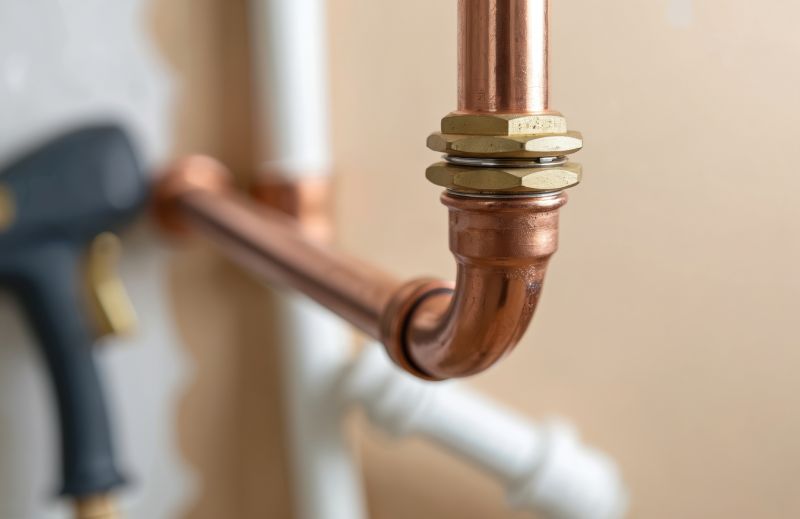
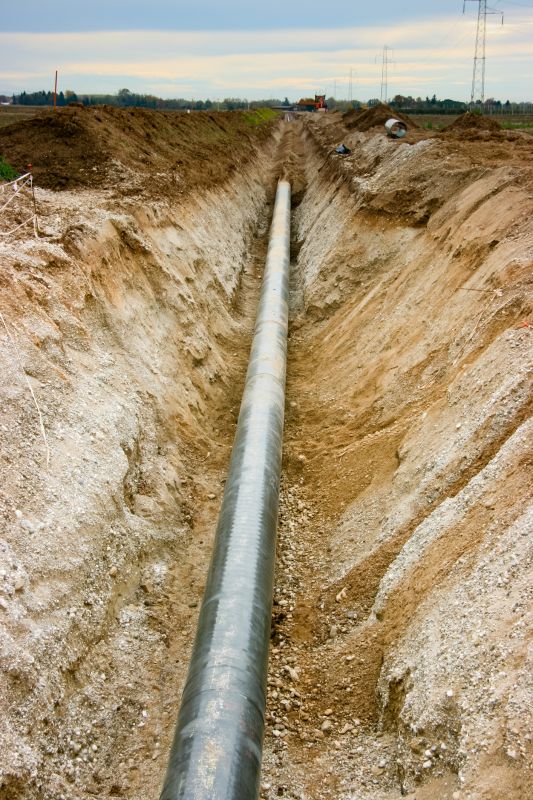
Understanding the essentials of commercial gas piping systems is important for property owners managing or upgrading their business spaces. Everyday project situations, such as expanding kitchen facilities or installing new heating equipment, often require reliable gas piping to ensure safety and efficiency. When planning these types of modifications, property owners might look into commercial gas piping installation services to ensure the system is properly designed and installed according to industry standards, helping to prevent potential issues down the line.
For those in the area considering improvements or troubleshooting existing gas systems, knowing how local contractors handle commercial gas piping can make a significant difference. Skilled service providers can evaluate the current setup, recommend suitable piping solutions, and perform installations that meet the specific needs of the business. Connecting with experienced local contractors ensures the work is handled professionally, giving property owners confidence that their commercial gas piping systems will operate safely and effectively.
What are the key considerations for installing commercial gas piping systems? Businesses should ensure proper planning for gas flow requirements, adherence to safety standards, and compatibility with existing infrastructure. Local contractors can assess these factors to design a reliable system tailored to specific needs.
Why is proper installation of commercial gas piping important? Correct installation helps prevent leaks, ensures safety, and maintains system efficiency. Experienced service providers follow best practices to deliver safe and compliant piping systems for commercial properties.
What types of materials are commonly used for commercial gas piping? Common materials include steel, copper, and flexible piping options, each suited for different applications. Local pros can recommend the most appropriate materials based on the building’s requirements and local codes.
How can businesses ensure their gas piping systems remain safe over time? Regular inspections, maintenance, and prompt repairs are essential. Service providers can perform inspections and address potential issues to help maintain system safety and compliance.
What role do local service providers play in commercial gas piping installation? They handle the design, installation, and ongoing maintenance of gas piping systems, ensuring systems are installed correctly and meet all safety standards, helping businesses operate safely and efficiently.
Understanding system codes and regulations - property owners should familiarize themselves with local building codes to ensure commercial gas piping systems meet all safety and compliance standards when working with local contractors.
Planning for future expansion - considering potential business growth can help property owners design gas piping layouts that accommodate additional equipment or increased demand with the help of local pros.
Choosing appropriate materials - selecting the right piping materials based on the type of gas and usage environment is crucial, and local contractors can advise on durable options suitable for commercial settings.
Ensuring proper system testing - after installation, thorough testing by local pros guarantees the system’s safety and functionality before it becomes operational in everyday business activities.
If you are thinking about what businesses should know about commercial gas piping systems for a property, this guide is meant to help you understand this topic, the typical project types, and how different options might fit your plans.
When you are ready, you can use the quote form on this page to share a few details about your project. From there, local pros can review the basics and follow up with options that match what you have in mind.